Expert San Diego Roofing Solutions for Every Microclimate
Posted: December 21, 2025 | By: Taylor Landress | Category: Roofing Best Practices & Tips
How San Diego’s Microclimates Impact Your Roof
When it comes to maintaining a durable home, finding the right San Diego roofing solutions for our unique microclimates is essential. Our county is known for its distinct weather zones, including coastal, inland, mountain, and desert areas, and each one brings specific challenges for your roof. Whether you are near the beach in La Jolla, in the valleys of El Cajon, or up in the foothills of Alpine, understanding these local patterns is the first step in keeping your home protected year-round.
San Diego’s Current Weather Conditions
Coastal Homes: Protecting Against Salt Air Corrosion
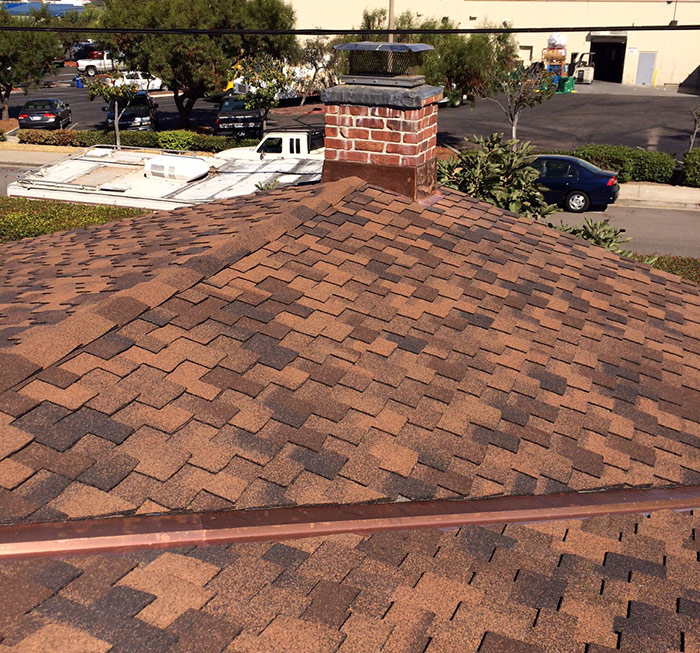
If you live near the coast, your roof is constantly exposed to salty air and ocean moisture. Over time, that salt can speed up corrosion on metal components, flashing, and fasteners. The high humidity also encourages the growth of algae and mold, especially on asphalt shingles and clay tile roofs.
Check out the Sandy Lane Project, a re-roof project right on the coastline!

 Pro Tip: Schedule regular roof cleanings and choose corrosion-resistant materials. Annual maintenance is key for coastal properties.
Inland Roofing Solutions: Combating Extreme Heat and UV Exposure
Inland communities like Santee, La Mesa, and Poway experience higher temperatures and more intense sunlight. Prolonged UV exposure can dry out roofing materials, cause cracking, and shorten the lifespan of your roof system.
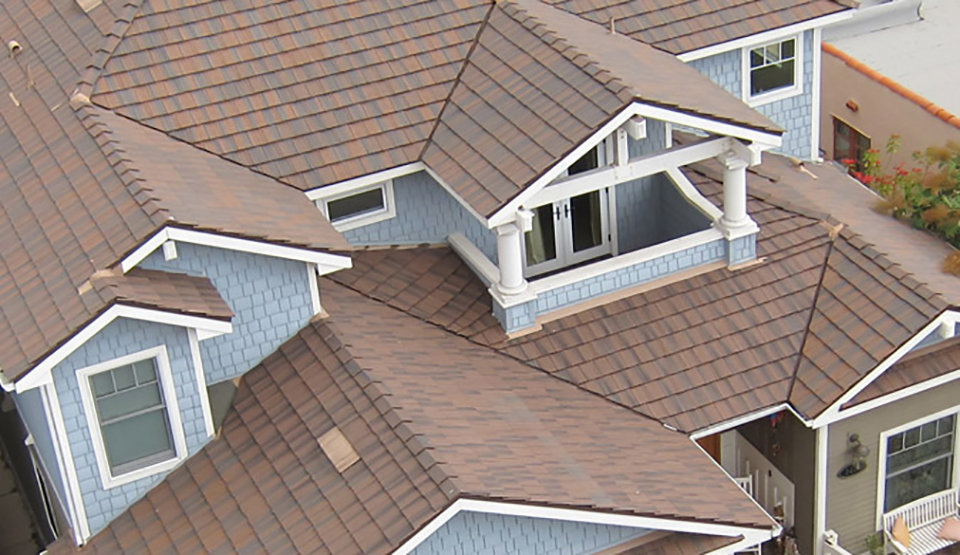
Pro Tip: Consider installing a cool roof designed to reflect more sunlight and absorb less heat, or choose lighter-colored, reflective roofing materials. This helps reduce heat absorption, lower cooling costs, and extend your roof’s lifespan.
Mountain & Foothill Maintenance: Durable Seals for Wind and Cold
Areas like Alpine, Ramona, and Julian experience stronger winds and wider temperature swings between day and night. These fluctuations cause expansion and contraction in roofing materials, which can lead to leaks or early wear if not monitored.
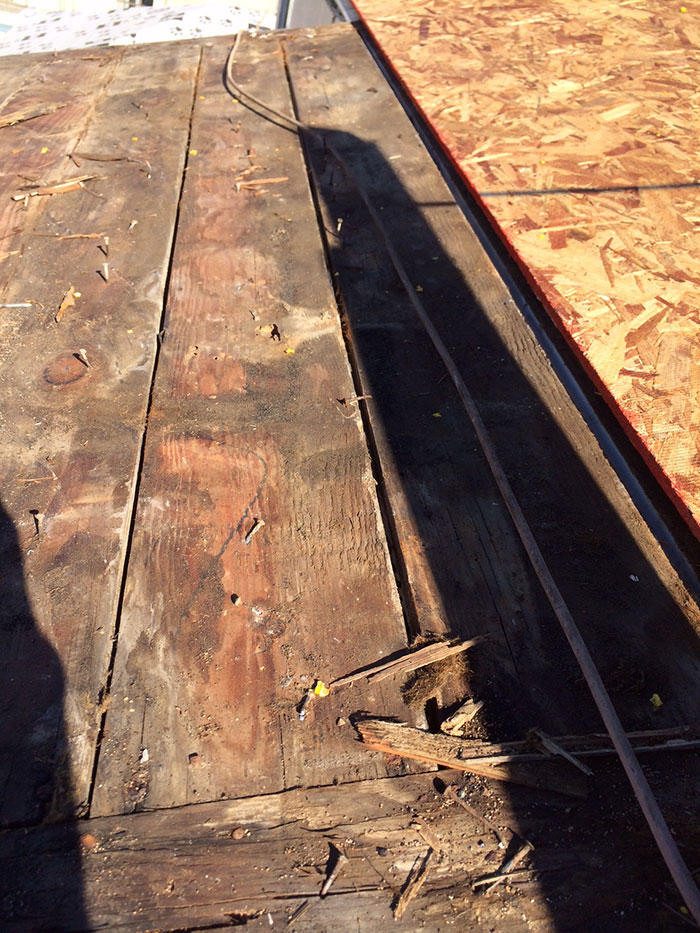
Pro Tip: Have your roof inspected seasonally, especially before and after storm events, to make sure flashings, vents, and seals remain tight.
Desert Conditions: Dust and Dry Heat
Further east, the desert air can cause certain materials to become brittle over time. Dust buildup can also clog drains and reduce the effectiveness of roof coatings.

Pro Tip: Apply a high-quality protective coating to extend your roof’s lifespan and maintain energy efficiency.
Why Local San Diego Roofing Expertise Matters
San Diego’s weather diversity means roof maintenance should always be personalized. The right plan for a coastal property will look different than what works best inland or in the mountains. Our team understands how local weather patterns affect every type of roof and provides tailored solutions to keep yours performing its best. damage becomes visible inside your home.

FREQUENTLY ASKED QUESTIONS
How do San Diego’s microclimates affect my roof’s lifespan?
The longevity of your roof depends heavily on your specific location within the county. Coastal homes face rapid corrosion from salt air, while inland properties in areas like Santee or El Cajon deal with intense UV degradation from extreme heat. Tailoring your maintenance to these specific conditions is one of the most effective San Diego roofing solutions to extend the life of your system.
What are the best roofing materials for coastal San Diego homes?
For homes near the ocean, we recommend materials that specifically resist moisture and salt spray. This includes high-quality asphalt shingles with algae resistance and the use of stainless steel fasteners and flashing to prevent rust and structural weakening over time.
Does a "Cool Roof" really help in inland San Diego communities?
Yes. In hotter inland zones, a cool roof uses reflective materials to bounce sunlight away from your home. This not only protects the roofing materials from cracking under intense heat but also lowers your indoor cooling costs during the peak summer months.
Looking for more roofing tips?
Check out our guide on How to Prepare Your Roof for San Diego’s Rainy Season