

What Happens During a Professional Roof Inspection in San Diego?
Posted: March 8, 2026 | By: Taylor Landress | Category: Roofing Education
If you’ve ever wondered what actually happens when a roofer shows up for an inspection, you’re not alone. Most San Diego homeowners and commercial building owners schedule a professional roof inspection without fully knowing what to expect or what questions to ask afterward.
This guide walks you through every step of a professional roof inspection, explains what your inspector is looking for, and shows you why regular inspections are one of the smartest, most cost-effective investments a San Diego property owner can make.
Ready to get started? Schedule your free roof inspection with Raindance Roof Company today.

Why a Professional Roof Inspection Matters in San Diego
San Diego’s climate is deceptively demanding on roofing systems. While our sunny weather feels mild, roofs in the region face a unique combination of stressors that make professional inspections essential, not optional.
Here’s what San Diego roofs endure year-round:
- Intense UV exposure that degrades shingles, tiles, and sealant over time
- Marine layer moisture along the coast that accelerates corrosion and mold growth
- Santa Ana wind events that loosen fasteners, lift tiles, and stress flashing
- Occasional heavy winter rains that reveal every small vulnerability
- Wildfire ash and debris that settle into gutters and drainage systems
A roof that looks fine from your driveway may have significant hidden issues. A professional inspection by a licensed San Diego roofing contractor gives you an accurate, documented picture of your roof’s true condition — before small problems become expensive repairs.
Not sure whether you need a repair or a full replacement? Read our guide: Repair or Replace Your Roof in San Diego?
What Does a Professional Roof Inspection Include? A Step-by-Step Breakdown.
A thorough roof inspection from a qualified contractor is far more comprehensive than a quick glance from the ground. Here is exactly what happens when Raindance Roof Company performs an inspection on your San Diego property.
Step 1: Initial Property Walk-Around and Ground-Level Assessment
Every professional roof inspection begins before anyone sets foot on your roof. Your inspector will walk the full perimeter of the property to observe your roof system from ground level.
What the Inspector Looks For During the Walk-Around:
- Overall roof geometry, slope, and structural lines
- Visible sagging, dipping, or uneven roof planes
- Gutter positioning and how water drains away from the foundation
- Exterior wall condition near the roofline
- Visible moss, algae, or staining on roof surfaces
- Obvious storm damage, missing materials, or displaced tiles
This initial pass shapes the entire inspection. Experienced inspectors often identify the highest-risk areas during the walk-around, which allows them to prioritize their findings on the roof itself.
 Pro Tip for San Diego Property Owners: If you have experienced a recent Santa Ana wind event or heavy rain, make note of any interior water stains, drafts, or unusual sounds and share those details with your inspector. This information helps direct the inspection to the most critical areas first.
Step 2: Roof Surface Inspection
Once the perimeter assessment is complete, your inspector will evaluate the actual roof surface. What they examine depends on your specific roofing system, and San Diego homes feature a wide variety of roof types.
Common Roof Types Inspected in San Diego:
- Clay and concrete tile roofing (most common in San Diego)
- Asphalt shingle roofing
- Modified bitumen and flat roof systems (common on commercial properties)
- Metal roofing
- TPO and single-ply membrane systems (commercial)
- Wood shake and composite roofing
Surface Inspection Checklist:
- Cracked, broken, chipped, or missing tiles or shingles
- Loose, slipped, or misaligned materials
- Granule loss on asphalt shingles (a sign of accelerated aging)
- UV and heat damage causing brittleness or curling
- Evidence of prior patch repairs or inconsistent material installation
- Moss, algae, or lichen growth that retains moisture
- Nail pops or exposed fasteners
Learn how San Diego’s climate affects roofing material longevity: How Long Does a Roof Last in San Diego?
Important Safety Note: Homeowners should not walk on their own roof. Roof surfaces, especially clay tile, which is common across San Diego, can be extremely slippery, and walking on them improperly can cause tile breakage and personal injury. Leave roof access to trained professionals with appropriate equipment.
Step 3: Flashing and Roof Penetration Inspection
Flashing is the metal material that seals the joints between your roof surface and any vertical structure — chimneys, skylights, vents, HVAC equipment, and roof transitions. It is consistently one of the most vulnerable areas on any roof in San Diego.
Because flashing experiences thermal expansion and contraction with every temperature swing, and because marine layer moisture accelerates corrosion in coastal areas, flashing issues are among the most common causes of roof leaks in San Diego County.
Flashing Inspection Points:
- Rust, oxidation, or corrosion on metal flashing
- Separation or lifting of flashing from the roof or wall surface
- Hardened, cracked, or missing sealant (caulk)
- Improper overlapping from previous repair work
- Loose pipe collars and vent boots
- Skylight frame integrity and sealant condition
- Chimney counter-flashing and step-flashing condition
Roof leaks often originate far from where they appear inside. Read: Why Roof Leaks Are Rarely Where You Think for a deeper explanation of how water travels beneath your roofing system.
Step 4: Drainage System and Water Flow Evaluation
Effective drainage is the foundation of a healthy roofing system. During a professional roof inspection in San Diego, your inspector will assess every component of the drainage system to confirm that water moves away from your structure efficiently.
Drainage Inspection Covers:
- Gutters – debris accumulation, sagging, improper pitch, rust, or separation from fascia
- Downspouts – blockages, improper discharge location, or missing extensions
- Internal roof drains on flat or low-slope commercial systems
- Scuppers and overflow drains on parapet wall systems
- Signs of ponding water on flat roofs (standing water after rainfall)
- Soil or debris buildup against roof edges that slows water movement
Why Drainage Matters More in San Diego Than You Think:
Because San Diego receives most of its rainfall in concentrated winter events, the drainage system must handle high-volume water flow in short bursts. Gutters clogged with debris from dry summers can overflow in the first significant rain — sending water behind fascia boards and into your eaves.
Prepare before the wet season hits: How to Prepare Your Roof for San Diego’s Rainy Season
Step 5: Interior Indicators and Attic Assessment (When Applicable)
Some of the most telling signs of roof performance are found inside your home or commercial building — not on top of it. Depending on the findings of the exterior inspection and the accessibility of your interior, your inspector may also evaluate interior indicators.
Interior Signs Your Inspector May Examine:
- Ceiling stains, water rings, or discoloration — especially after rain events
- Soft, spongy, or sagging drywall or plaster
- Damp, compressed, or discolored attic insulation
- Mold or mildew growth in the attic space
- Daylight visible through roof decking
- Evidence of previous pest intrusion or animal activity
- Attic ventilation adequacy – poor airflow accelerates roofing material degradation
Interior findings are particularly valuable for connecting exterior observations with confirmed moisture intrusion. If your inspector identifies exterior flashing damage but no interior staining, the issue may be caught early enough to prevent any interior damage with a straightforward repair.
Step 6: Photo Documentation and Condition Reporting
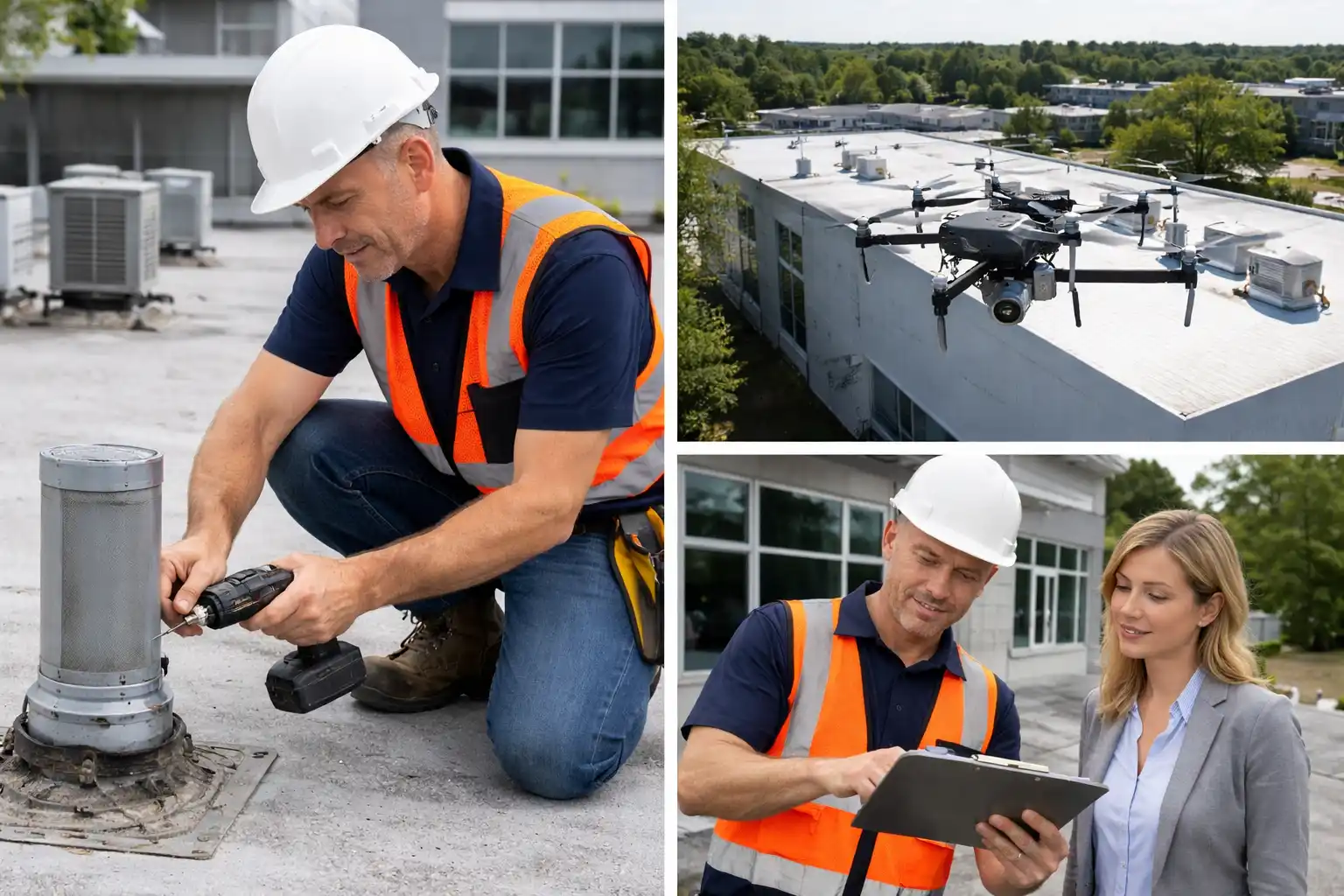
A professional roof inspection should never end with a verbal summary alone. At Raindance Roof Company, every inspection includes thorough photo documentation so you can actually see the condition of your own roof — not just hear about it.
What Your Inspection Report Should Include:
- Dated photos of all areas inspected, including areas in good condition
- Close-up images of any damage, wear, or areas of concern
- Clear notation of the roof materials, estimated age, and overall condition
- Prioritized findings: what needs immediate attention vs. what to monitor
- Written recommendations for maintenance, repairs, or further evaluation
This documentation serves multiple purposes. It provides you with a baseline record of your roof’s condition, it supports insurance claims if storm damage is identified, and it allows you to make confident, informed decisions about next steps — whether that’s scheduling a targeted repair or planning for future replacement.
Questions to Ask After Your Inspection:
- What is the estimated remaining service life of my roof?
- Which issues require immediate repair versus routine monitoring?
- Is there any damage that might qualify for an insurance claim?
- What maintenance can I perform to extend my roof’s life?
- What are the recommended repair options and associated costs?
Commercial Roof Inspections in San Diego: What’s Different
Commercial and industrial properties in San Diego require a different inspection approach than residential roofing. Low-slope and flat roof systems — including TPO, modified bitumen, built-up roofing, and foam systems — present unique inspection challenges and vulnerabilities.
What a Commercial Roof Inspection Adds:
- Membrane surface evaluation for cracks, bubbles, blisters, or seam separation
- Drain and scupper performance testing
- Inspection around rooftop equipment (HVAC, exhaust, skylights)
- Ponding water mapping and slope assessment
- Roof coating condition and adhesion evaluation
- Parapet wall and coping cap inspection
Commercial building owners and property managers in San Diego should schedule professional roof inspections at least annually — and always after any significant weather event, including Santa Ana wind conditions and heavy winter rain.
Explore our commercial roofing services for San Diego County: Commercial Roofing San Diego

How Often Should San Diego Homeowners Schedule a Roof Inspection?
Recommended Inspection Schedule:
- Once per year as a baseline — ideally in the fall before the rainy season begins
- After any Santa Ana wind event with gusts exceeding 40 mph
- Following significant rainfall, particularly the first major storm of the season
- Before listing your home for sale or purchasing a property
- After installation of solar panels, HVAC equipment, or satellite dishes
- Any time you notice interior ceiling stains, drafts, or unusual moisture
- When your roof approaches or exceeds its expected service life
Most roofing issues do not appear suddenly — they develop gradually over months or years. Annual inspections catch problems at the minor-repair stage rather than the major-replacement stage.
Why Choose Raindance Roof Company for Your San Diego Roof Inspection?
With more than 100 years of combined team experience serving homeowners and businesses across San Diego County, Raindance Roof Company brings something competitors often cannot: a genuine, long-term relationship with the properties and neighborhoods we serve.
What Sets Our Inspection Process Apart:
- Complimentary inspections with no hidden fees and no high-pressure sales tactics
- Detailed photo documentation provided to every homeowner
- Clear, plain-language explanations — no roofing jargon
- Licensed C-39 Roofing Contractor (#694891) — fully insured
- Owner-involved process: Todd Landress personally oversees projects
- Serving all of San Diego County, from Chula Vista to Oceanside
Read verified customer reviews: Raindance Roof Company Testimonials


View our work
See our residential and commercial roofing projects
 https://raindanceroof.com/wp-content/uploads/2025/02/Screenshot-2025-02-13-at-11.58.53 AM.png
1294
2323
Todd Landress
https://raindanceroof.com/wp-content/uploads/2026/02/raindance-roof-company-logo-header.png
Todd Landress2025-12-21 10:00:352025-12-21 15:21:06Evergreen Villas
https://raindanceroof.com/wp-content/uploads/2025/02/Screenshot-2025-02-13-at-11.58.53 AM.png
1294
2323
Todd Landress
https://raindanceroof.com/wp-content/uploads/2026/02/raindance-roof-company-logo-header.png
Todd Landress2025-12-21 10:00:352025-12-21 15:21:06Evergreen Villas https://raindanceroof.com/wp-content/uploads/2025/02/Pepperwood-after-2.png
1040
1978
Todd Landress
https://raindanceroof.com/wp-content/uploads/2026/02/raindance-roof-company-logo-header.png
Todd Landress2025-12-21 09:50:092025-12-22 09:02:31Pepperwood Apartments
https://raindanceroof.com/wp-content/uploads/2025/02/Pepperwood-after-2.png
1040
1978
Todd Landress
https://raindanceroof.com/wp-content/uploads/2026/02/raindance-roof-company-logo-header.png
Todd Landress2025-12-21 09:50:092025-12-22 09:02:31Pepperwood Apartments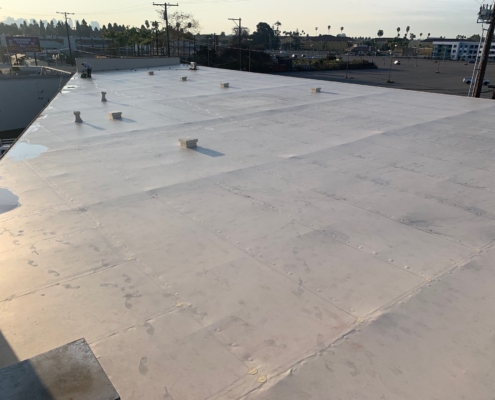 https://raindanceroof.com/wp-content/uploads/2025/02/ZGZiYjc2ZTAuanBn.jpg
1440
1920
Todd Landress
https://raindanceroof.com/wp-content/uploads/2026/02/raindance-roof-company-logo-header.png
Todd Landress2025-12-21 09:12:582025-12-22 08:19:28Johnstone Supply
https://raindanceroof.com/wp-content/uploads/2025/02/ZGZiYjc2ZTAuanBn.jpg
1440
1920
Todd Landress
https://raindanceroof.com/wp-content/uploads/2026/02/raindance-roof-company-logo-header.png
Todd Landress2025-12-21 09:12:582025-12-22 08:19:28Johnstone Supply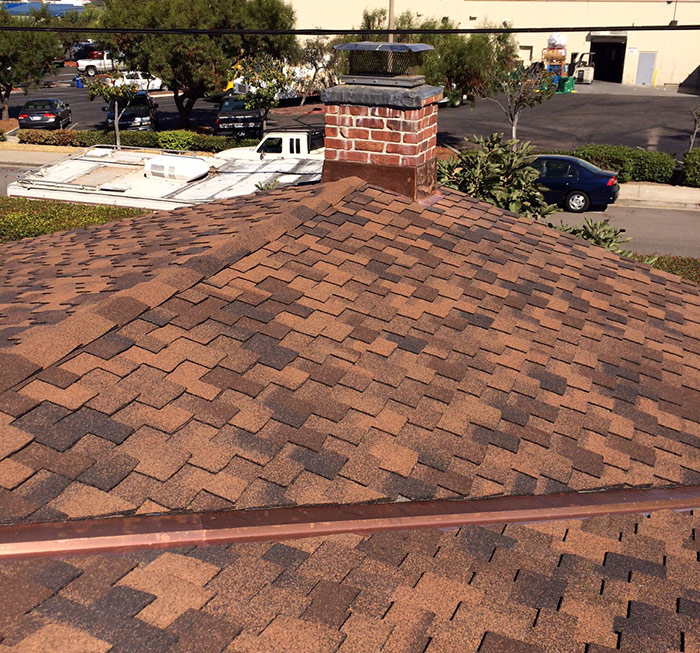 https://raindanceroof.com/wp-content/uploads/2016/01/Smith-After5.jpg
653
700
Todd Landress
https://raindanceroof.com/wp-content/uploads/2026/02/raindance-roof-company-logo-header.png
Todd Landress2025-12-11 03:59:592025-12-21 15:39:24Smith Project
https://raindanceroof.com/wp-content/uploads/2016/01/Smith-After5.jpg
653
700
Todd Landress
https://raindanceroof.com/wp-content/uploads/2026/02/raindance-roof-company-logo-header.png
Todd Landress2025-12-11 03:59:592025-12-21 15:39:24Smith Project https://raindanceroof.com/wp-content/uploads/2025/02/Screenshot-2025-02-14-at-11.39.35 AM.png
1494
2862
Todd Landress
https://raindanceroof.com/wp-content/uploads/2026/02/raindance-roof-company-logo-header.png
Todd Landress2025-12-11 03:43:392025-12-22 08:00:28Sandy Lane
https://raindanceroof.com/wp-content/uploads/2025/02/Screenshot-2025-02-14-at-11.39.35 AM.png
1494
2862
Todd Landress
https://raindanceroof.com/wp-content/uploads/2026/02/raindance-roof-company-logo-header.png
Todd Landress2025-12-11 03:43:392025-12-22 08:00:28Sandy Lane https://raindanceroof.com/wp-content/uploads/2025/02/Screenshot-2025-02-13-at-1.48.05 PM.png
1412
2812
Todd Landress
https://raindanceroof.com/wp-content/uploads/2026/02/raindance-roof-company-logo-header.png
Todd Landress2025-12-11 03:09:302025-12-22 08:05:10Boulevard Apartments
https://raindanceroof.com/wp-content/uploads/2025/02/Screenshot-2025-02-13-at-1.48.05 PM.png
1412
2812
Todd Landress
https://raindanceroof.com/wp-content/uploads/2026/02/raindance-roof-company-logo-header.png
Todd Landress2025-12-11 03:09:302025-12-22 08:05:10Boulevard Apartments https://raindanceroof.com/wp-content/uploads/2025/02/after-coronado.png
1145
2206
Todd Landress
https://raindanceroof.com/wp-content/uploads/2026/02/raindance-roof-company-logo-header.png
Todd Landress2025-11-14 05:39:152025-12-22 07:59:03Island Project
https://raindanceroof.com/wp-content/uploads/2025/02/after-coronado.png
1145
2206
Todd Landress
https://raindanceroof.com/wp-content/uploads/2026/02/raindance-roof-company-logo-header.png
Todd Landress2025-11-14 05:39:152025-12-22 07:59:03Island Project https://raindanceroof.com/wp-content/uploads/2025/02/vista-hermosa-after-.png
1037
1855
Todd Landress
https://raindanceroof.com/wp-content/uploads/2026/02/raindance-roof-company-logo-header.png
Todd Landress2025-11-14 04:51:372025-12-22 08:02:23Vista Hermosa Apartments
https://raindanceroof.com/wp-content/uploads/2025/02/vista-hermosa-after-.png
1037
1855
Todd Landress
https://raindanceroof.com/wp-content/uploads/2026/02/raindance-roof-company-logo-header.png
Todd Landress2025-11-14 04:51:372025-12-22 08:02:23Vista Hermosa ApartmentsSchedule Your Free Professional Roof Inspection in San Diego
If you’re a homeowner or commercial building owner in San Diego County and have questions about your roof’s condition, the right first step is a professional roof inspection. Identifying concerns early consistently prevents more costly damage — and gives you peace of mind heading into every season.
Contact Raindance Roof Company to schedule your complimentary inspection today.
📞 Call 619-464-2800 or visit raindanceroof.com to schedule
Frequently Asked Questions
Professional Roof Inspections in San Diego
How much does a roof inspection cost in San Diego?
Raindance Roof Company offers complimentary roof inspections for homeowners and commercial property owners throughout San Diego County. There is no charge for the inspection, no obligation to purchase services, and no hidden fees. Some third-party inspection companies charge between $150 and $400 for independent inspections, but licensed roofing contractors typically provide free inspections as part of their service offering.
How long does a professional roof inspection take?
Most residential roof inspections in San Diego take between 45 minutes and 2 hours, depending on the size of the roof, the number of penetrations (vents, skylights, chimneys), roof accessibility, and the complexity of the findings. Commercial inspections on larger buildings may take longer. Any inspection that is completed in under 30 minutes is unlikely to be thorough.
How often should I have my roof inspected in San Diego?
Most roofing professionals recommend annual inspections as a baseline. In San Diego, inspections are especially valuable in the fall before the rainy season and after any significant Santa Ana wind event. Homes with tile roofing, older roofs, or roofs that have recently had solar panels installed should be inspected more frequently.
What are the signs I need a roof inspection immediately?
You should schedule a roof inspection as soon as possible if you notice: water stains on your ceilings or walls, a sudden increase in your energy bills (which can indicate compromised insulation from moisture), visible missing or damaged shingles or tiles from the ground, granules from asphalt shingles collecting in your gutters, or any signs of mold or musty odors in your attic or upper floors.
Can I inspect my own roof?
While homeowners can observe their roof from the ground or from windows, a DIY inspection is not a substitute for a professional evaluation. Licensed roofing contractors are trained to identify subtle issues — like micro-fractures in tile, early sealant failure, or compromised underlayment — that are not visible to an untrained eye. Climbing on a roof is also genuinely dangerous, particularly on clay tile roofs common throughout San Diego.
What happens if my roof inspection finds damage?
If your inspection reveals damage or areas of concern, you will receive a clear, documented report with photos and prioritized recommendations. Your inspector will explain which issues need immediate attention, which can be monitored, and what your repair options and costs look like. You are never obligated to proceed with repairs immediately, and a reputable contractor will not pressure you to do so.
Does homeowners insurance cover roof inspections in San Diego?
In most cases, homeowners insurance does not cover the cost of routine roof inspections. However, if storm damage is identified during an inspection, your contractor can help document the findings in a format that supports an insurance claim. Raindance Roof Company works with homeowners through the insurance documentation process when storm or wind damage is present.
What is the difference between a roof inspection and a home inspection?
A general home inspection, typically performed during real estate transactions, includes a basic visual assessment of the roof as one component of the overall property. A dedicated professional roof inspection — performed by a licensed roofing contractor — is significantly more detailed, covers all roof system components, and includes specific repair recommendations. If you are buying or selling a home in San Diego, a dedicated roof inspection from a C-39 licensed contractor is recommended in addition to the general home inspection.
Do new roofs in San Diego need to be inspected?
Yes. Even newly installed roofing systems benefit from inspection within the first year of installation to confirm proper installation and identify any workmanship issues before warranties expire. Additionally, any rooftop equipment installed after your roof — such as solar panels — should prompt a follow-up inspection to ensure penetrations were sealed correctly.
What is the best time of year to schedule a roof inspection in San Diego?
During the Fall season. September through November is the ideal time for a roof inspection in San Diego. This timing allows any issues to be identified and repaired before the winter rainy season begins. Spring inspections are also valuable for assessing any damage that occurred during the wet season. Avoid scheduling solely after summer; UV and heat exposure over the summer months can accelerate deterioration that is best caught before fall rains arrive.


